
Explore IV drip vitamin therapy benefits, what to expect, and how it differs from oral supplements. Learn about popular formulations and safety.
In today’s busy world, we’re always looking for ways to feel better, have more energy, and stay healthy. We try to eat right and get enough sleep, but sometimes, it feels like we’re still running on empty. What if there was a way to give your body a direct, powerful dose of the vitamins and fluids it needs? That’s where IV Drip Vitamin Therapy comes in. It’s a wellness treatment that delivers nutrients straight into your bloodstream, offering a quick and efficient way to boost your well-being. For local IV therapy options, consider BioRestore NH
Understanding IV Drip Vitamin Therapy
What is IV Drip Vitamin Therapy?
So, what exactly is this IV drip vitamin therapy everyone’s talking about? Basically, it’s a way to get vitamins, minerals, and other helpful stuff directly into your body through a vein. Think of it like a super-efficient delivery system. Instead of popping a pill and hoping your stomach does a good job of absorbing it, this method bypasses your digestive system entirely. A special mix of nutrients is put into a saline solution and then slowly dripped into your bloodstream via a small tube, usually in your arm. It’s a pretty straightforward medical procedure that’s become popular for a lot of different wellness goals.
How Does IV Therapy Actually Work?
The way it works is pretty simple, really. When you eat or take supplements, your digestive system has to break everything down. This process can be slow, and sometimes, not all the nutrients actually get absorbed into your body. Some get lost along the way, or your body just can’t use it all. IV therapy skips all that. The nutrients go straight into your veins, and from there, your blood carries them everywhere they need to go, right to your cells. This means your body can use them pretty much immediately. It’s like giving your body a direct line to the good stuff it needs.
The Science Behind the Drip
The main idea behind IV therapy is bioavailability. That’s just a fancy word for how much of a nutrient your body can actually use. When you take something orally, the bioavailability can be pretty low. For example, maybe only 20% of a vitamin actually gets absorbed. With an IV drip, the bioavailability is close to 100%. All those vitamins, minerals, and antioxidants go straight into your bloodstream, ready to get to work. This is why people often report feeling a difference pretty quickly after starting a drip. It’s all about getting those nutrients where they need to be, fast and without any digestive hiccups.
The Core Benefits of IV Drip Vitamin Therapy
So, why are people lining up for these IV drips? It’s not just a trend; there are some pretty solid reasons why folks turn to this method for a wellness boost. Think of it as a super-efficient way to get your body exactly what it needs, right when it needs it.
Rapid Hydration and Nutrient Replenishment
Ever feel that sluggishness, a dull headache, or just that general ‘blah’ feeling? Dehydration is often the culprit, and it’s surprisingly common. Drinking water is great, of course, but sometimes your body needs a more direct approach. IV therapy delivers fluids and essential electrolytes straight into your bloodstream, rehydrating you much faster and more effectively than just chugging a bottle. It’s like giving your body an instant refresh, helping to clear out that fogginess and get you back to feeling more like yourself.
Enhanced Immune System Support
When you feel a tickle in your throat or the season starts changing, giving your immune system a little extra help can make a big difference. IV drips can be loaded with high doses of things like Vitamin C and Zinc, which are known powerhouses for immune function. This direct infusion helps fortify your body’s natural defenses, making it better equipped to handle whatever comes its way, whether it’s a busy travel schedule or just the general sniffles going around.
Increased Energy Levels and Reduced Fatigue
Feeling constantly drained is no fun. If you’re dealing with persistent tiredness, it might be linked to not getting enough of certain nutrients, especially the B vitamins. An energy-focused IV drip is packed with a blend of these B vitamins and other helpful compounds that can really help combat that fatigue. It’s about giving your body the building blocks it needs to produce energy more efficiently, leading to a noticeable lift in vitality and mental sharpness.
Improved Skin Health and Radiance
Who doesn’t want healthier, glowing skin? While topical treatments work on the surface, IV therapy can help from the inside out. By providing your body with essential vitamins, minerals, and antioxidants like glutathione, these drips can support collagen production and fight off cellular damage. This internal nourishment can translate to a more vibrant complexion and a healthy glow that starts from within.
What to Expect During Your IV Session
So, you’re thinking about trying out IV vitamin therapy? That’s cool. It sounds a bit sci-fi, but honestly, the process is pretty straightforward and designed to be as comfortable as possible. Let’s break down what actually happens when you go in for a session.
The Consultation Process
Before anything else, you’ll have a chat with a healthcare professional. This isn’t just a quick hello; they’ll want to know about your general health, any specific reasons you’re getting the IV (like feeling run down or wanting a boost), and your medical history. It’s their chance to make sure the treatment is right for you and to figure out the best mix of vitamins and fluids. Don’t be shy about asking questions here – it’s your body, and you should feel totally informed. They’ll explain what’s in the drip and what to expect.
Vein Selection and Catheter Insertion
Next up is finding a good vein. Usually, they’ll look in your arm. It’s a pretty standard procedure for nurses or trained professionals. Once they’ve picked a spot, they’ll clean it and then insert a small, flexible tube called a catheter. You’ll probably feel a quick pinch, kind of like getting a blood draw, but that’s usually the extent of the discomfort. After the catheter is in, they remove the needle, leaving just the tiny tube in place.
The Drip Process and Relaxation
This is the main event. The bag containing your personalized vitamin and fluid mixture gets hooked up to the catheter. Then, it’s just a matter of letting the fluids drip in. It’s not a fast gush; it’s a slow, steady flow. Most people find this part really relaxing. You can just sit back, read a book, listen to music, scroll through your phone, or even take a nap. The whole drip usually takes anywhere from 30 minutes to an hour, depending on the formula and how fast your body takes it in. It’s a nice little break in your day.
Post-Treatment Feeling
Once the drip is finished, they’ll remove the catheter, put a small bandage on the insertion site, and you’re good to go. Many people report feeling a difference pretty quickly – maybe more energy, less fatigue, or just a general sense of well-being. It’s not like a magic wand, but you might notice a positive shift soon after. Just remember to drink some water afterward, and try not to do anything too strenuous right away. It’s a good idea to avoid heavy lifting or intense exercise for a few hours.
Key Differences: IV Therapy vs. Oral Supplements
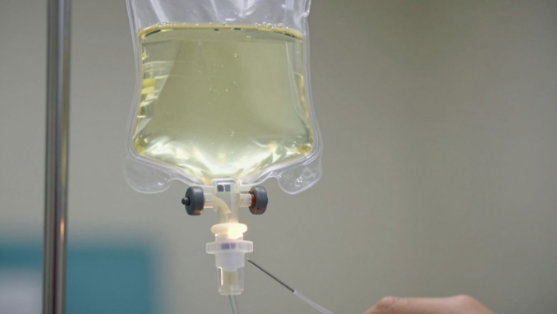
So, you’re wondering how getting vitamins through an IV compares to just popping a pill or eating a healthy meal, right? It’s a fair question, and there are some pretty big differences.
The Bioavailability Advantage
This is a big one. When you take vitamins or supplements by mouth, they have to go through your digestive system. Think of your stomach and intestines as a processing plant. This process can be slow, and not all the nutrients actually get absorbed into your body. Some can be lost along the way due to digestion issues, what else you’ve eaten, or just how your body works. With IV therapy, it’s a completely different story. The vitamins and minerals go straight into your bloodstream. This means your body can use virtually all of them, right away. We call this 100% bioavailability. It’s like getting a direct delivery instead of waiting for the mail.
Bypassing the Digestive System
Building on the bioavailability point, the main reason IV therapy is so effective is that it completely skips your digestive tract. For most people, this isn’t a huge issue. But if you have certain health conditions, like Crohn’s disease, celiac disease, or you’ve had bariatric surgery, your digestive system might not be absorbing nutrients as well as it should. In these cases, IV therapy can be a game-changer, making sure you actually get the nutrients you need.
Efficiency of Nutrient Delivery
Because IV therapy bypasses digestion and offers full bioavailability, the nutrients get to your cells much faster and in higher concentrations than they would from oral supplements. This is why people often feel the effects of an IV drip much more quickly – sometimes within minutes or hours, rather than days or weeks. It’s a way to get a significant boost when you need it.
Here’s a quick rundown:
- IV Therapy: Nutrients go directly into the bloodstream, offering maximum absorption and rapid effects. Ideal for quick replenishment or when digestive absorption is a concern.
- Oral Supplements: Nutrients are processed by the digestive system, leading to variable absorption and slower, less immediate results. Good for general maintenance and filling nutritional gaps.
While IV therapy offers a direct and efficient route for nutrient delivery, it’s important to remember it’s not a replacement for a healthy lifestyle. Eating well, exercising, and getting enough sleep are still the cornerstones of good health. IV therapy is best viewed as a targeted boost or a solution for specific absorption issues, rather than an everyday alternative to basic wellness practices.
Popular IV Drip Formulations and Their Uses
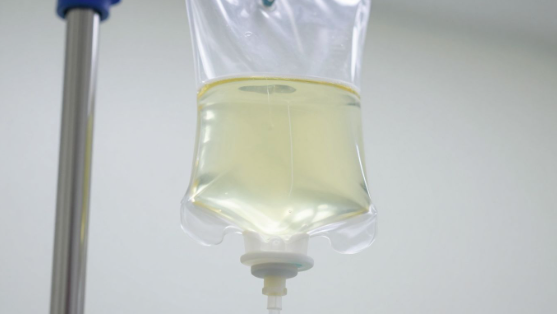
Myers’ Cocktail for General Wellness
Often considered the foundational blend, the Myers’ Cocktail is a go-to for many seeking a general wellness boost. It typically includes a mix of B-complex vitamins, Vitamin C, magnesium, and calcium. This combination is thought to help with a variety of things, from fighting fatigue to supporting the immune system and even easing migraines. It’s like a multivitamin, but delivered straight to your bloodstream for quicker impact.
Immunity Boost Formulations
When cold and flu season rolls around, or you’re feeling run down, an immunity-focused drip can be a popular choice. These usually pack a punch with high doses of Vitamin C and zinc, both known for their roles in supporting immune function. Some formulations might also include other antioxidants or amino acids to help your body fend off illness or recover faster if you do get sick.
Energy and Fatigue Combatting Blends
Feeling that midday slump more often than not? Blends designed to combat fatigue often center around the B-vitamin family. These vitamins are key players in how your body converts food into energy. You’ll often find B1, B2, B3, B5, B6, and B12 in these drips, sometimes combined with amino acids that can also help with energy production and mental clarity. It’s about giving your body the building blocks it needs to feel more awake and alert.
Athletic Recovery and Performance Support
For those who push their bodies, recovery is just as important as the workout itself. IV drips tailored for athletes often focus on replenishing electrolytes lost through sweat, providing amino acids to help repair muscle tissue, and including antioxidants to combat exercise-induced stress. Some might also include ingredients like magnesium to help with muscle function and relaxation. The goal here is to help you bounce back quicker and perform at your best.
While many formulations are standardized, the real magic often happens when your IV therapy is customized. A good clinic will assess your specific needs and adjust the blend to better suit your individual health goals and concerns. It’s not just a one-size-fits-all approach.
Safety, Risks, and Considerations
When you’re thinking about getting an IV vitamin drip, it’s smart to look at the whole picture. It’s not just about the good stuff; you also need to know about the potential downsides, what might happen afterward, and how much it all costs. Making an informed choice means understanding these points before you even book an appointment.
Professional Administration is Non-Negotiable
First things first: this kind of therapy should only be done by trained medical professionals. We’re talking about licensed Registered Nurses (RNs) or Paramedics, ideally with experience in critical care settings like the ER or ICU. They know how to handle needles, manage potential complications, and keep things sterile. Always ask about the qualifications of the people giving you the drip and if there’s a doctor or nurse practitioner overseeing the practice. It’s a big deal to make sure the place you go to follows strict safety rules and uses only sterile, single-use equipment. This isn’t the kind of thing you want to try at home from a kit you bought online.
Potential Side Effects and Risks
While generally safe when done right, no medical procedure is completely risk-free. You might feel a little pinch or discomfort when the needle goes in, which is pretty standard. There’s also a small chance of infection at the spot where the needle entered, though this is rare if proper sterile techniques are used. Sometimes, the vein might get a bit irritated or inflamed, especially if you get IVs often. A less common issue is called infiltration, where the fluid leaks into the tissue around the vein, causing swelling or bruising.
It’s important to remember that even though you’re getting vitamins, it’s still an invasive procedure. Your body is getting a concentrated dose of nutrients very quickly, and while usually beneficial, it can sometimes cause unexpected reactions or put a strain on certain organs if you have underlying health issues.
Here are some things to be aware of:
- Vitamin Toxicity: While rare with water-soluble vitamins, extremely high doses could potentially cause issues, especially if you have kidney problems.
- Electrolyte Imbalance: Rapidly introducing minerals can sometimes affect the balance of electrolytes in your body.
- Kidney Strain: For individuals with existing kidney disease, high-dose IV therapy might add extra stress.
- Allergic Reactions: Though uncommon, it’s possible to have a reaction to one of the ingredients in the IV solution.
Cost and Insurance Coverage
Let’s talk money. IV vitamin therapy isn’t typically covered by insurance because it’s often considered a wellness or elective treatment, not a medical necessity. This means you’ll likely be paying out-of-pocket. The cost can vary quite a bit depending on the clinic, the specific formulation you choose, and how long the session takes. Some places might charge per session, while others offer packages if you plan on going regularly. It’s a good idea to get a clear price breakdown upfront and compare costs between different providers if you’re looking for the best value. Remember to factor in the potential cost when deciding if this therapy is the right fit for your budget and wellness goals.
Wrapping It Up
So, that’s the lowdown on IV vitamin therapy. It’s a pretty neat way to get nutrients straight into your system, bypassing all the usual digestive drama. While it’s not some kind of magic potion for everyone, especially if you’re already healthy and eating well, many people find it genuinely helps them feel better, more energized, or rehydrated. Just remember, it’s not a replacement for good old-fashioned healthy habits like eating right, sleeping well, and moving your body. If you’re thinking about trying it, make sure you go to a licensed professional. It’s a bit of an investment, for sure, but for some, that quick boost is exactly what they need to get back on track.